
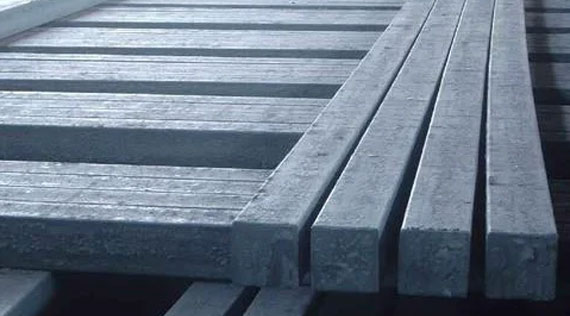
Prices continued to rise across all regional slab markets in May, with increases mostly ranging from $5 to $20 per ton. The reference export price for Brazilian slabs fell by $5 in May – to $600/t (FOB). This marked the first decline in eight months.
According to SteelOrbis, the reference export price for Brazilian slabs fell by $5 in May – to $600/t (FOB). This marked the first decline in eight months, although this level still remains a two-year high. Export prices for Brazilian slabs remained high due to strong domestic and export demand.
Inventories for the domestic market remain stable. According to the Brazilian Steel Manufacturers Association (IAB), local mills cut slab production by 28% in April compared to March, down to 547,000 tons. Production over the four-month period totaled 2.5 million tons.
Slab exports from Brazil are highly volatile. By the end of April, the figure had increased 2.3-fold to 687,000 tons, compared to 298,000 tons in March. The sharp increase in exports in April (the same high growth was observed in February) is linked to a surge in demand in the U.S.: shipment volumes rose to 392,000 tons (FOB) compared to 239,000 tons (FOB) a month earlier.
Average FOB Black Sea prices as of mid-May rose by $18 – to $513/t, compared to $495/t at the end of April. This level marked the highest since the beginning of last year. The main drivers of the increase remained the global trend of rising slab prices due to reduced supplies from Iran and high freight rates.
According to the Turkish Statistical Institute (TUIK), slab imports into Turkey rose by 35% MoM in March to 179,000 tons, following a 56% MoM decline in February. The average import price was $464/ton. The largest suppliers in March were Russia (102,000 tons, -10% y/y) and Malaysia (52,000 tons, -48% y/y). In total, slab imports to Turkey reached 617,000 tons in January–March.
Despite rising prices, demand in Turkey’s key market remains limited: local producers are focusing on using domestic raw materials. Since the beginning of this year, the Turkish domestic market has seen a significant increase in production: in March, output rose by 25% year-on-year to 1.45 million tons, and for January–March, by 17% year-on-year to 4 million tons.
In other regional markets, prices continued to rise. Prices for Chinese slabs in Indonesia rose to $530–535/t CFR in May, compared to $510–520/t at the end of April, amid a shortage of Iranian slabs, although activity in the slab market in ASEAN countries has slowed in recent weeks.
It is likely that Iranian slabs will not appear on the market in the near future. Iranian authorities imposed a ban on the export of semi-finished steel products until June 1, but the damage to Khuzestan Steel’s facilities appears to have been more severe than previously expected. It should be noted that according to data from the Iranian Steel Producers Association (ISPA), in the Iranian fiscal year ending March 20, 2026, slab production increased by 10.2% year-on-year, reaching 12.4 million tons.
At the same time, average slab prices in Japan remained stable in May—at $550/ton—following a $70-per-ton increase in April.
As a reminder, in April, all regional slab markets saw an increase of $15–20 per ton. The record price increase for the product occurred in Japan, where average prices in April rose by $70 – to $550/ton.